

Introduction
For many Americans, home is more than just four walls it is the ultimate sanctuary. Yet, the persistent hum of modern life, coupled with security concerns, often chips away at the feeling of calm we seek. True peaceful living isn’t just about comfortable furniture or a quiet neighborhood; it’s about the peace of mind that comes from knowing your family and belongings are safe.
This comprehensive guide, designed for homeowners and renters across the US, moves beyond simple product reviews to explore how a holistic approach to home safety blending low-tech strategies with modern security solutions is the key to unlocking a truly tranquil existence.
Let’s turn your house into a haven, where safety measures work quietly in the background, allowing you to focus on life, not on worry.
What Does ‘Peaceful Living’ Mean in the Context of Home Safety?
Peaceful living is the emotional dividend paid by effective home security. It is the ability to walk in the door and genuinely relax. In a world full of anxiety, your home should be the one place you can let your guard down.
| Feature | Security (Technical) | Peaceful Living (Emotional) |
| Goal | Deter, detect, and notify of threats. | Reduce daily stress and anxiety. |
| Metric | Response time, number of break-ins. | Quality of sleep, sense of confidence. |
| Mechanism | Alarms, sensors, cameras, monitoring. | Automation, environmental sensing, ease of use. |
How Security Impacts Mental Well-being
Investing in a robust home safety plan is a direct investment in your mental health. Security systems, particularly those with professional monitoring, eliminate the need for you to be constantly “on watch.” They are the digital watchmen that never sleep, allowing you to:
- Reduce Anxiety: Studies show that a high percentage of home-security system owners report a significantly lower level of background anxiety about property crime.
- Improve Sleep Quality: Knowing a professional team is ready to respond, even while you are asleep, removes the need to constantly check locks or listen for strange noises.
- Increase Freedom: Remote access allows you to check in on your home from anywhere, eliminating travel-related worry and enabling a stress-free vacation.
Expert Quote: “At the end of the day, the goals are simple: Safety and security.” Jodi Rell, former Governor of Connecticut
Practical Steps to Enhance Home Safety (The Low-Tech Layer)
Before you invest in the latest smart lock, the foundation of your peaceful home must be built on sound, fundamental security practices. These are the preventative measures that often deter a burglar before they even attempt to breach your home.
Burglar-Proofing 101: Simple, Free Strategies
Most intruders seek the path of least resistance. Make your home the opposite.
- Secure the Entry Points: While 81% of break-ins occur on the first floor, never neglect the higher levels. Ensure all windows and sliding doors have functioning locks. For sliding doors, place a dowel rod or metal bar in the track for a simple, low-cost lock.
- Trim the Shrubs: Bushes and tall landscaping near windows offer perfect cover for a thief trying to pick a lock or wait for you to leave. Trim foliage to eliminate hiding spots.
- Lights On: Utilize timers for interior lights when you are away to create the illusion of occupancy. Outdoors, install motion-activated floodlights, especially in backyards, garages, and side alleys.
- Don’t Advertise: Avoid leaving packaging for expensive items (new TVs, gaming consoles) on your curb. Break down the boxes and take them to a recycling center or wait for trash day.
Environmental Monitoring for Total Peace of Mind
Safety extends beyond crime prevention. A peaceful home is also protected from sudden, costly, and dangerous disasters like fire, carbon monoxide, and water damage.
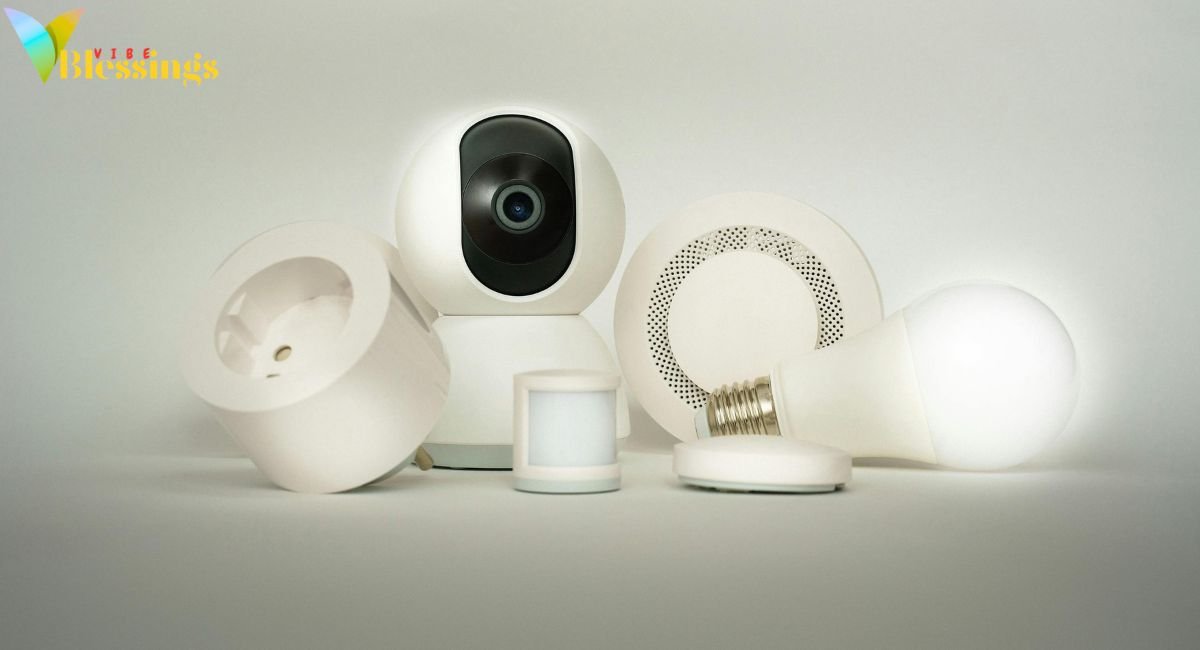
- Fire & CO Detection: Ensure you have interconnected smoke and carbon monoxide detectors on every floor and near sleeping areas. Modern systems can notify you via smartphone if an alarm is triggered, allowing you to call emergency services even if you’re hours away.
- Water Leak Sensors: Place small, affordable water sensors in high-risk areas under sinks, behind the refrigerator, in the basement, or near the water heater. These devices can alert you to a small leak before it becomes a devastating flood.
Expert Quote: “An ounce of prevention is worth a pound of cure.” Benjamin Franklin
Adapting Security Solutions to Modern Needs (The High-Tech Layer)
Once the foundation is secure, modern technology provides the tools to automate, monitor, and provide instant response the ultimate ingredients for peace of mind.
Choosing the Right System: DIY vs. Professional Monitoring
The decision between a do-it-yourself (DIY) system and a professionally installed/monitored one is primarily a matter of lifestyle, budget, and desired responsibility level.
| Feature | DIY Security System (e.g., SimpliSafe, Ring) | Professional Installation (e.g., ADT, Vivint) |
| Installation | Easy/Self-set up (often wireless) | Scheduled by company technicians |
| Cost Structure | Low upfront, variable monthly monitoring fees | Higher upfront, fixed monthly fees (often with contract) |
| Monitoring Response | Self-monitored or optional professional monitoring | 24/7 professional response; fast dispatch services |
| Best For | Renters, tech-savvy users, or those on a tight budget | Families seeking maximum reliability and response time |
| Power Outage/Wi-Fi | Most feature cellular and battery backup for continuous function. | Systems feature integrated cellular and battery backup. |
Key takeaway: If your goal is true, uninterrupted peaceful living, professional monitoring is often recommended. It ensures that an expert is ready to take action when you are unable to, such as during the night or while traveling.
Essential Security Devices for US Homeowners
The key to effective security is layered defense, focusing on entry points, perimeter, and interiors.
| Home Area | Vulnerability Risk | Safety Solution |
| First Floor Entryways | Highest for break-ins | Door sensors, Smart Locks, Video Doorbell |
| Basement/Garage Windows | Easy, secluded access point | Glass-break sensors, interior motion detectors |
| Sliding Glass Doors | Often overlooked, easy to lift off track | Pin locks, specialized track sensors |
| Landscaped Areas/Driveway | Can provide cover for intruders | Outdoor cameras (motion-activated), motion floodlights |
Security Cameras: Cameras serve as both a powerful deterrent and vital evidence collection tool.
- Outdoor: Focus on high-traffic areas (front door, driveway) and points of concealment (backyard). Look for features like two-way talk and high-resolution video.
- Indoor: Place cameras in common areas, but consider privacy avoiding bedrooms or bathrooms. Many modern systems allow you to automatically deactivate interior cameras when the system is disarmed.
The Impact of a Secure Home on Well-Being
The ultimate aim of home safety is not to install gadgets, but to create an environment where well-being flourishes.
Security features are increasingly integrated with smart home automation to enhance both safety and convenience. Using your voice or a simple app, you can:
- Lock Down the House: With a single command, automatically lock all doors, arm the alarm, and turn off the lights as you go to bed. This ritualized security check instills confidence.
- Control Climate and Energy: Beyond physical safety, the integration of temperature control and smart lighting into your security app creates a more comfortable, predictable, and energy-efficient environment further contributing to your peaceful state.
Can Security Systems Save You Money?
Yes. While systems have an associated cost, they can often lead to savings that offset the expense:
- Insurance Discounts: Many US insurance providers offer a substantial discount (typically 5% to 20%) on homeowner’s insurance premiums for properties with monitored home security and fire/smoke protection.
- Damage Prevention: Environmental sensors (water leak, freeze) prevent catastrophic, five-figure damage, protecting your financial peace as well as your home.
Expert Quote: “It is much better to think about accidents before they happen than to brood on them afterward.” Irvin S. Cobb, Author
Conclusion
Achieving a peaceful life begins at home. By adopting a layered strategy that prioritizes simple, effective precautions alongside smart, reliable technology, you can build a true sanctuary that is protected from both threats and worries. The goal is simple: to create a home where you never have to think about security because you know, without a doubt, that you are safe.
FAQS for about the home safety for peaceful living
What are the 10 safety rules at home?
Ten important safety rules at home include keeping dangerous items out of reach, childproofing electrical outlets, and installing smoke and carbon monoxide detectors. It’s also crucial to have an emergency plan, keep exits clear, know emergency numbers, and never open the door to strangers.
How can I secure my home cheaply?
Cheap ways to secure your home include making sure all doors and windows are locked, improving exterior lighting with motion sensor lights, trimming shrubs to eliminate hiding spots, and securing your perimeter by not leaving ladders or other tools outside. Additionally, consider joining a neighborhood watch program, asking a trusted neighbor to collect mail when you’re away, and using fake security cameras to deter intruders.
How to protect yourself when home alone?
To stay safe at home alone, always lock doors and windows, never open the door to strangers, and avoid posting your location on social media. Have a plan for emergencies, keep emergency numbers accessible, and consider getting a security system. It’s also wise to get to know your neighbors and make sure you have a support system in place.
What is a home safety checklist?
Never leave young children unattended. Cover all unused electrical sockets and keep electrical cords out of children’s reach. Install protective padding on the corners of furniture with sharp edges. Use safety latches and locks on cabinets and drawers.
What are 5 golden safety rules?
- Golden Rule 1 – Working at height. …
- Golden Rule 2 – Energized systems. …
- Golden Rule 3 – Fire safety. …
- Golden Rule 4 – Toxic gases. …
- Golden Rule 5 – Lifting operation. …
- Golden Rule 6 – Confined space. …
- Golden Rule 7 – Management of change. …
- Golden Rule 8 – Driving safety.

Hi, I’m Taimoor Abid, founder of Vibe Blessings! I specialize in creating SEO-optimized inspirational content.