


Christmas is a season of joy, celebration, and, most importantly, faith. For many, decorating is a cherished annual tradition, but it can be a challenge to keep the focus on the religious meaning amidst the commercial sparkle.
Choosing decorations that reflect the true reason for the season the birth of Jesus Christ can transform your home into a sanctuary of peace and reverence. If you’re looking to infuse your holiday decor with deeper Christian symbols and spiritual meaning, here are seven essential tips to guide your choices.
1. Start with a Theme That Celebrates the Nativity Story
The Nativity, or the scene of Christ’s birth, is the foundation of the Christmas story. Make this the central element of your decor.
- The Manger Scene: Invest in a quality Nativity set. Whether it’s a traditional heirloom, a simple wooden carving, or a delicate porcelain collection, place it in a prominent location, such as the fireplace mantel or the main entry table.
- The Journey: Consider decorations that represent the journey to Bethlehem, such as shepherds, sheep, and the Wise Men (Magi). If you have a larger display, position the Wise Men further away from the manger and move them closer each day until Epiphany (January 6th).
2. Choose Decorations That Highlight Christian Symbols
Look beyond Santa and snowmen to select items that specifically reference the Christian faith and the events of the season.
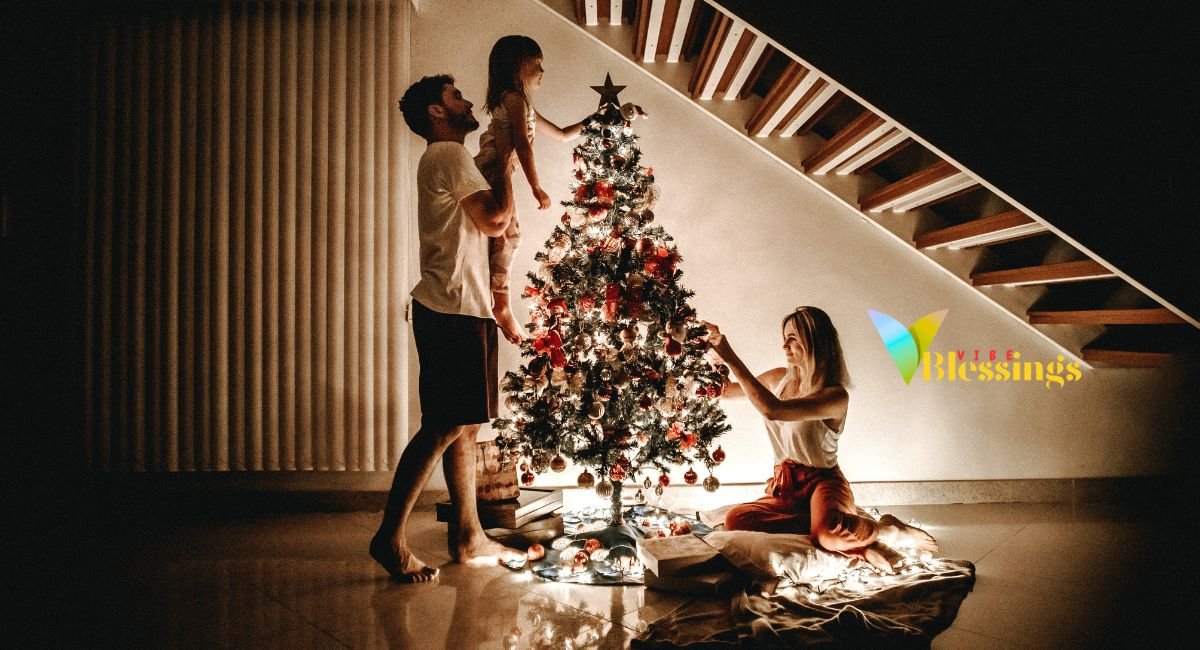
- The Star: The Star of Bethlehem guided the Magi to the stable. Use star-shaped ornaments, hang a large, distinct star above your Nativity, or use a star as your tree topper.
- Angels: Angels announced the good news to the shepherds. Display angel figurines prominently or use angel ornaments to symbolize the Heavenly Host.
- The Cross: While often associated with Easter, subtle incorporation of the Cross can symbolize the purpose of Christ’s birth.
- Lambs and Doves: The Lamb represents the “Lamb of God,” and the Dove symbolizes the Holy Spirit and peace.
3. Select Natural Materials for an Authentic Feel
The original setting of the first Christmas was simple and humble. Using natural, rustic materials can help capture this authentic, grounded atmosphere.
- Wood and Clay: Choose figurines or ornaments made from carved wood, rough clay, or terra cotta.
- Straw and Hay: Use straw or hay elements underneath your Nativity scene or incorporate them into wreath and garland designs.
- Simple Fabrics: Linen, burlap, or coarse wool can be used as tasteful runners or backdrops for your religious displays, lending an earthy, biblical-era feel.
4. Decorate with Purpose in High Visibility Areas
Strategic placement is key to ensuring your religious message is the focus of your home’s decoration.
- Focal Points: Place your most significant religious items like the Nativity or an illuminated Cross where they are the first thing seen when entering a room.
- Entryway Welcome: Use your foyer to make a statement with a small, focused display featuring a verse from the Gospel of Luke or a simple, elegant Nativity silhouette.
- Avoid Overcrowding: Integrate religious pieces thoughtfully among other decorations rather than overwhelming the space. A few meaningful items placed with intent are far more powerful than dozens of random pieces.
5. Incorporate Handmade and Artisan Crafted Pieces
Decorations that require skill and time to create often carry a deeper sense of reverence and love.
- Artisan Pieces: Seek out artisan-crafted ornaments or small Nativity figures from local craft fairs or faith-based suppliers. Supporting small artists adds an element of unique, human connection.
- Handmade at Home: Make your own simple decorations, such as painted wooden blocks spelling out “JESUS” or ornaments decorated with Bible verses. These personal creations deepen your family’s investment in the theme.
6. Add Soft Lighting to Enhance the Spiritual Atmosphere
Lighting can dramatically impact the mood of a room, and soft, warm light best suits a spiritual theme.
- Warm Tones: Use warm-white or amber lights rather than harsh, cool-toned lighting. This replicates the glow of candlelight and provides a peaceful warmth.
- Spotlighting: Use subtle spotlights to draw attention directly to your Nativity scene or another key religious display.
- Candles: Incorporate the use of real or battery-operated candles, particularly for an Advent wreath, symbolizing the light of Christ entering the world.
7. Personalize Your Decorations with Family Traditions
Your Christmas decorations should tell the story of your faith and your family.
- Ornament Rituals: Start a tradition of buying or making a new religious ornament each year that represents a spiritual lesson or blessing the family experienced.
- Storytelling Decor: When setting up the Nativity, use the moment to read the Gospel account of the event to your family, giving context to each piece you place.
- Heirlooms: Give prominence to decorations passed down through generations, especially those with explicit religious significance, to connect your current celebration to your family’s faith history.
By intentionally choosing decorations that focus on Christian symbols and the humility of the Nativity, you ensure that the spiritual significance of Christmas shines brightest in your home.

Conclusion
By focusing your decoration choices on the foundational story of the Nativity, incorporating significant Christian symbols, and utilizing authentic, natural materials, you can ensure your home reflects the true spirit of Christmas. Remember to decorate with purpose in high visibility areas and enhance the spiritual mood with soft lighting. Ultimately, the most meaningful decorations are those that are personalized with family traditions and reflect a deep, spiritual reverence for the birth of Christ. Keep the focus on faith, and the light of the season will shine through all your holiday decor.
Frequently Asked Questions About Christmas Decorations with Religious
What are the symbolic meanings of the Christmas decorations?
| Decoration | Symbolic Meaning (Religious/Spiritual) |
| Christmas Tree (Evergreen) | Eternal life, hope, and the everlasting covenant of God, as it remains green in winter. Its triangular shape can represent the Holy Trinity. |
| Wreath | The circular shape represents eternity and God’s unending love; the evergreens signify eternal life. |
| Star of Bethlehem | Divine guidance, the light of God, and the fulfillment of prophecy, as it led the Wise Men to Jesus. |
| Lights/Candles | Jesus Christ as the “Light of the World,” representing hope, warmth, and the triumph of light over darkness. |
| Holly | The prickly leaves symbolize the Crown of Thorns worn by Christ, and the red berries represent the blood He shed. |
| Candy Cane | The ‘J’ shape represents Jesus; the shepherd’s crook represents the Good Shepherd; the white stripes symbolize purity, and the red stripes, Christ’s blood/sacrifice. |
| Gift-Giving | Remembers the gifts brought to Baby Jesus by the Magi, and symbolizes God’s ultimate gift of Jesus Christ to the world. |
What are some religious traditions associated with Christmas?
- Advent: The four-week period of preparation and anticipation leading up to Christmas, often marked by lighting candles on an Advent wreath.
- Midnight Mass/Church Services: Attending church services on Christmas Eve or Christmas Day to commemorate the Nativity of Jesus Christ.
- Nativity Scene (Crèche): Setting up a depiction of the birth of Jesus, often with a final piece (Baby Jesus) being placed in the manger on Christmas morning.
- Christmas Carols: Singing hymns that tell the story of the Nativity and express joy and devotion.
- Epiphany (Twelfth Night): A celebration on January 6th, marking the arrival of the Magi (Wise Men) to worship the infant Jesus.
What do Christmas colors represent spiritually?
| Color | Spiritual Representation |
| Red | The blood and sacrifice of Jesus Christ, as well as the intense, all-encompassing love of God. |
| Green | Eternal life and hope, symbolized by the evergreen trees that endure through winter. |
| White | Purity, peace, and the light of Christ entering the world. |
| Gold | Royalty, majesty, glory, and the precious gifts brought to the King of Kings. |
| Blue | Represents the Virgin Mary (often depicted wearing blue robes), symbolizing purity, importance, and hope. |
| Purple | Used during Advent (the preparatory season), symbolizing royalty, penance, and waiting for the arrival of the King. |
(Note: While some sources list 12 specific colors, the core spiritual colors are traditionally Red, Green, Gold, White, Blue, and Purple.)

Hi, I’m Taimoor Abid, founder of Vibe Blessings! I specialize in creating SEO-optimized inspirational content.