

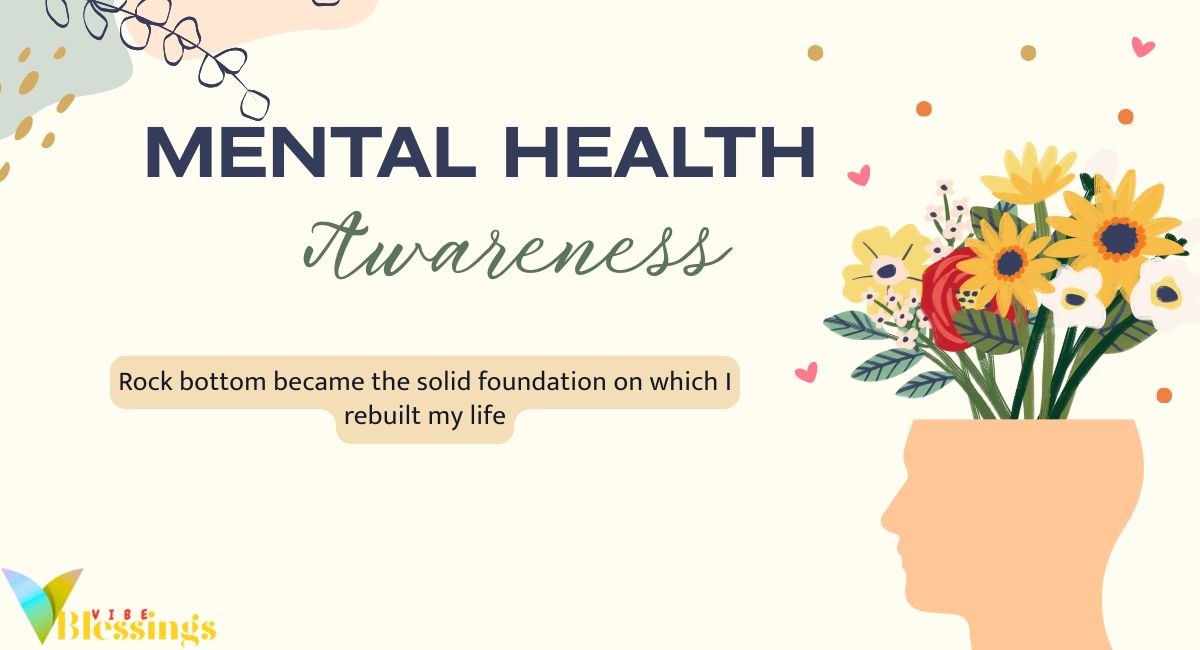
Mental health quotes have become more than just words on a screen. They represent validation, hope, and connection for millions of people navigating the complex landscape of emotional health. Whether you’re experiencing anxiety, working through depression, or simply seeking mental wellness, the right quote at the right moment can feel like a lifeline thrown to you in turbulent waters. This comprehensive guide brings together over 150 carefully selected inspirational mental health quotes that address real struggles with honesty, compassion, and profound understanding.
The journey through mental health struggles is deeply personal yet universally shared. When someone shares a quote about feeling overwhelmed or asking for help, they’re creating bridges of understanding between isolated experiences. These aren’t just pretty words meant to decorate Instagram feeds. They’re survival tools, daily affirmations for anxiety, reminders that healing is not linear, and gentle nudges toward self compassion when your inner critic becomes too loud. From therapy quotes that normalize professional help to mental health recovery quotes celebrating small victories, this collection honors every stage of your healing journey.
Why Mental Health Quotes Matter for Your Well-Being
Understanding how mental health quotes help begins with recognizing the profound isolation that often accompanies psychological struggles. When depression tells you that you’re alone in your darkness, reading “Your illness does not define your worth” from someone who survived similar pain creates instant connection. This validation isn’t superficial. It’s a fundamental human need to feel seen and understood. Mental health awareness quotes serve as mirrors reflecting our internal experiences back to us, confirming that what we feel is real, valid, and shared by countless others walking similar paths.
The science behind positive mental health quotes reveals fascinating mechanisms of healing. Neuroscience research shows that reading affirmations activates the brain’s reward centers and strengthens neural pathways associated with self-worth. When you repeatedly expose yourself to messages like “Mental health is just as important as physical health,” your brain begins rewiring itself away from shame and toward acceptance. This process, called neuroplasticity, means that mental health affirmations aren’t just feel-good distractions. They’re actual tools for cognitive behavioral therapy that reshape thought patterns over time. Therapists frequently recommend incorporating therapeutic quotes into mental health journaling practices because the combination of reading and reflecting creates powerful opportunities for insight and growth.
150+ Inspiring Mental Health Quotes That Will Change Your Perspective
This collection represents months of careful curation from therapists, mental health advocates, survivors, authors, and everyday people sharing their truth. Each quote has been selected based on its ability to provide genuine comfort without slipping into toxic positivity. We’ve avoided phrases that minimize pain or suggest that simply thinking positive thoughts will cure mental illness. Instead, these realistic mental health quotes acknowledge that some days you’ll barely survive, and that’s enough. They celebrate the courage it takes to keep going when your brain is actively working against you.
The variety within these 150+ quotes ensures that whatever stage of mental health recovery journey you’re experiencing, you’ll find words that resonate. From short mental health quotes for instagram that pack powerful truth into a few words, to longer reflections that invite deeper contemplation, every quote serves a purpose. Some will make you cry with recognition. Others will spark tiny flames of hope in dark moments. A few might even make you smile, remembering that mental health warrior doesn’t mean never falling, it means getting back up every time you do. These quotes aren’t arranged randomly. They’re organized by specific needs and experiences, making it easier to find exactly what your heart needs today.
Uplifting Mental Health Quotes for Dark Days
“The bravest thing I ever did was continuing my life when I wanted to die.” – Juliette Lewis
“You are not your illness. You have an individual story to tell. You have a name, a history, a personality. Staying yourself is part of the battle.” – Julian Seifter
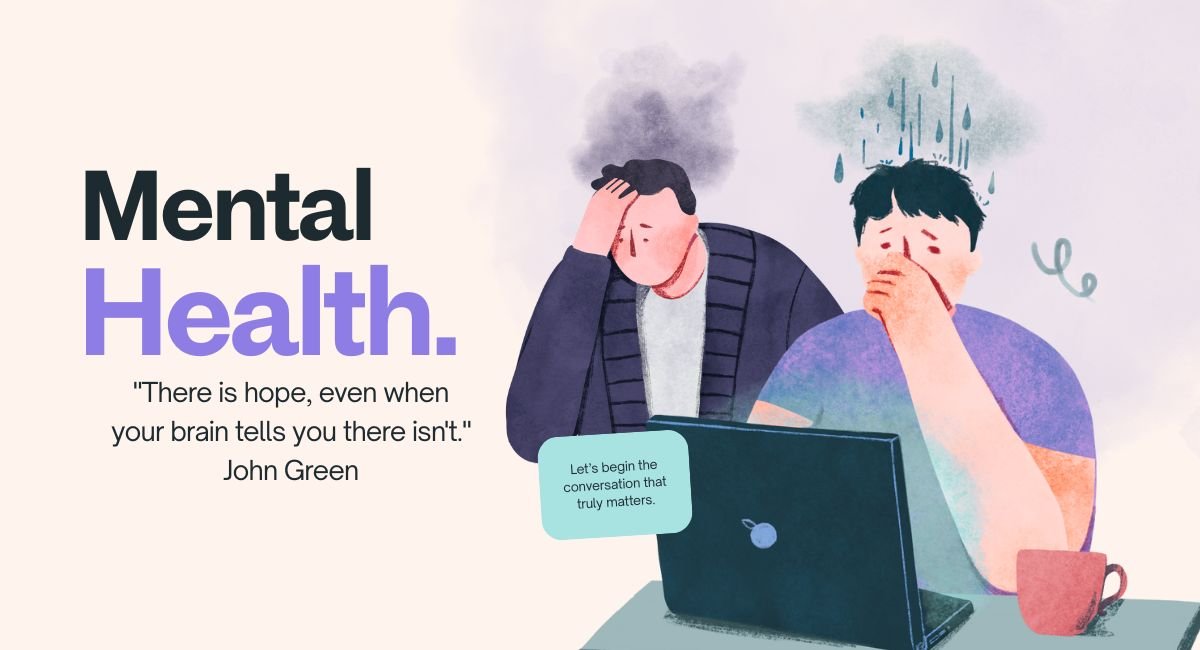
“There is hope, even when your brain tells you there isn’t.” – John Green
“Rock bottom became the solid foundation on which I rebuilt my life.” – J.K. Rowling
“Your present circumstances don’t determine where you can go. They merely determine where you start.” – Nido Qubein
“Sometimes the people around you won’t understand your journey. They don’t need to. It’s not for them.” – Joubert Botha
“The only way out is through. Keep walking, even in the darkness.”
“Dark days quotes remind us that night always ends, even when we can’t yet see the dawn approaching.”
“You’ve survived 100% of your worst days. You’re doing better than you think.”
“Depression is being colorblind and constantly told how colorful the world is.” – Atticus
“I am not afraid of storms, for I am learning how to sail my ship.” – Louisa May Alcott
“What mental health needs is more sunlight, more candor, and more unashamed conversation.” – Glenn Close
“Healing quotes mental health teach us that getting better doesn’t mean forgetting what broke us.”
“You are stronger than you know. More capable than you ever dreamed. And you are loved more than you feel.”
“Sometimes you climb out of bed in the morning and you think, I’m not going to make it, but you laugh inside because you’ve been saying that for two years.”
These quotes for bad mental health days don’t promise that everything will immediately improve. They don’t claim that reading inspiring words will cure clinical depression or erase suicidal thoughts. What they offer instead is acknowledgment that dark times exist and that surviving them requires immense courage. When you’re in the depths of major depressive disorder, phrases like “just be positive” feel insulting and dismissive. But quotes that say “You are not alone mental health struggles are real and surviving today is enough” provide the validation that makes continued survival possible.
Research on depression recovery shows that hope is one of the most powerful predictors of positive outcomes. Not blind optimism that ignores reality, but realistic hope that acknowledges darkness while believing dawn will eventually come. These uplifting mental health quotes plant tiny seeds of possibility in minds that depression has convinced nothing will ever improve. Sometimes that seed doesn’t sprout for months or years. But it stays there, dormant, waiting for the right conditions. Many people in recovery report that a single quote they read during their darkest period became an anchor they returned to repeatedly, a reminder that others had survived similar pain and found reasons to keep living.
Anxiety and Stress Relief Quotes to Calm Your Mind
“Anxiety is a thin stream of fear trickling through the mind. If encouraged, it cuts a channel into which all other thoughts are drained.” – Arthur Somers Roche
“You don’t have to control your thoughts. You just have to stop letting them control you.” – Dan Millman
“Panic attack quotes remind us that the storm in our chest is temporary, even when it feels eternal.”
“Worrying is carrying tomorrow’s load with today’s strength. Carrying two days at once. Moving into tomorrow ahead of time.” – Corrie Ten Boom
“Nothing diminishes anxiety faster than action.” – Walter Anderson
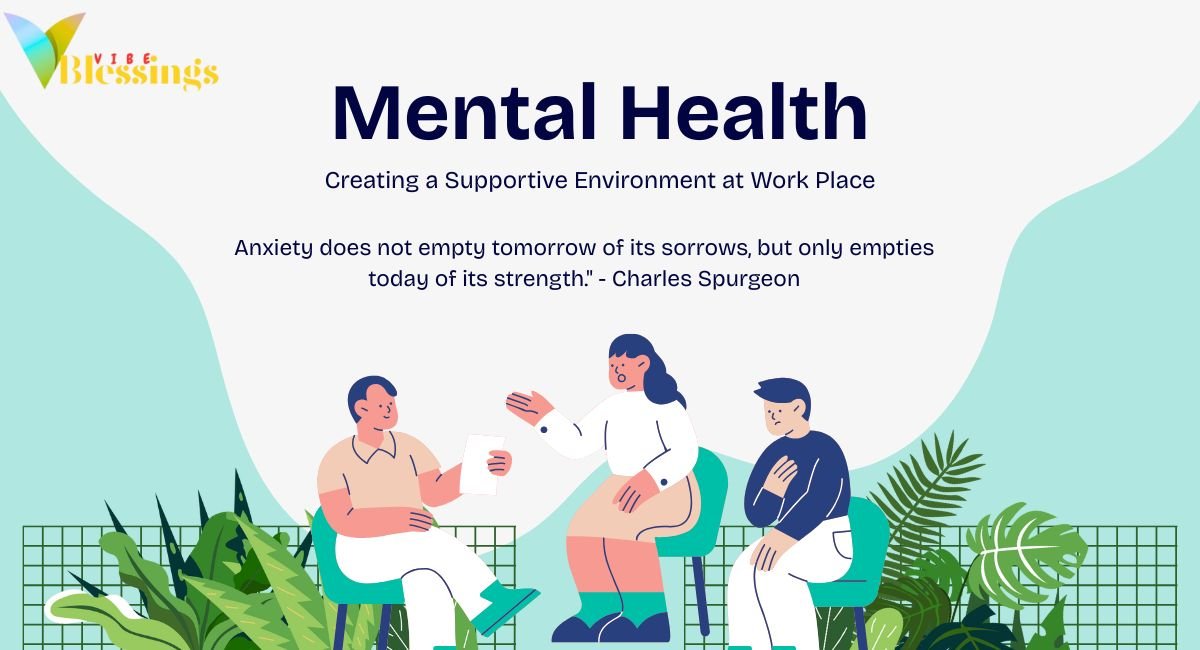
“Anxiety does not empty tomorrow of its sorrows, but only empties today of its strength.” – Charles Spurgeon
“You are not your anxiety. When you begin to tell the two of you apart, you can make decisions that aren’t based on fear.”
“Stress relief quotes teach us that we cannot calm the storm, so we must learn to dance in the rain.”
“Sometimes the most productive thing you can do is relax.” – Mark Black
“It’s okay to not be okay as long as you are not giving up.”
“Anxiety quotes for when your mind won’t stop: The thoughts are real, but the catastrophe they predict rarely is.”
“Feelings are just visitors. Let them come and go.” – Mooji
“Your calm mind is the ultimate weapon against your challenges. So relax.” – Bryant McGill
“Social anxiety quotes honor the courage it takes to exist in a world that feels constantly judging.”
“Breathe. You’ve survived every moment before this one. You’ll survive this too.”
Understanding generalized anxiety disorder requires recognizing that anxiety isn’t simple nervousness or worry that can be easily dismissed. It’s a psychological disorder that hijacks the nervous system and creates genuine physical symptoms. When your heart races and your chest tightens during a panic disorder episode, telling yourself to “just calm down” is both ineffective and demoralizing. These anxiety recovery quotes acknowledge the physical reality of anxiety while offering gentle reminders that symptoms pass and that you possess more resilience than your anxious thoughts suggest.
Cognitive behavioral therapy techniques often incorporate quote work as part of challenging catastrophic thinking patterns. When anxiety whispers that the worst-case scenario will definitely happen, reading “Anxiety is a lying storyteller that writes fiction your body believes is fact” helps create distance between you and the anxious thought. This cognitive space, even just millimeters of separation between you and your anxiety, makes it possible to evaluate thoughts more objectively. Many people find that creating collections of calming quotes mental health that specifically resonate with them becomes part of their anxiety management toolkit, alongside breathing exercises, therapy sessions, and sometimes medication management. The quotes don’t replace professional treatment, but they supplement it powerfully during moments when professional help isn’t immediately accessible.
Self-Love and Self-Compassion Mental Health Quotes
“Talk to yourself like you would to someone you love.” – Brené Brown
“You yourself, as much as anybody in the entire universe, deserve your love and affection.” – Buddha
“Self compassion quotes teach us that being kind to ourselves isn’t selfish, it’s survival.”
“Be gentle with yourself. You’re doing the best you can.”
“Self love quotes remind us that you cannot pour from an empty cup. Take care of yourself first.”
“Your relationship with yourself sets the tone for every other relationship you have.”
“You are allowed to be both a masterpiece and a work in progress simultaneously.” – Sophia Bush
“Owning our story and loving ourselves through that process is the bravest thing we’ll ever do.” – Brené Brown
“Self acceptance quotes honor the truth that you don’t need to be perfect to be worthy of love.”
“Stop beating yourself up. You are a work in progress, which means you get there a little at a time, not all at once.”
“The most powerful relationship you will ever have is the relationship with yourself.” – Steve Maraboli
“Self worth quotes challenge the lie that your value depends on productivity or others’ approval.”
“Be proud of yourself for how hard you’re trying.”
“You have been criticizing yourself for years and it hasn’t worked. Try approving of yourself and see what happens.” – Louise Hay
“Loving yourself quotes teach that self-care isn’t about bubble baths. It’s about setting boundaries and honoring your needs.”
The concept of self compassion represents a radical departure from how many people were taught to treat themselves. Traditional messages often emphasized being hard on yourself as motivation for improvement, creating internal critics that became abusive over time. Research by Dr. Kristin Neff shows that self compassion actually leads to better outcomes than self-criticism in virtually every measurable area, including motivation, resilience, and mental health. When you treat yourself with the kindness you’d offer a good friend, you create psychological safety that allows for growth rather than shame that leads to hiding and stagnation.
Self love in the context of mental health isn’t about narcissism or always feeling confident. It’s about basic human dignity and worthiness regardless of circumstances. When depression tells you that you’re worthless because you couldn’t get out of bed today, self compassion whispers “You’re struggling, and that’s hard. You’re doing the best you can right now.” This shift from judgment to compassion literally changes brain chemistry over time. Studies using fMRI technology show that self compassion practices activate the brain’s caregiving system while deactivating threat responses. Incorporating daily affirmations around self-worth becomes part of rewiring neural pathways away from shame and toward genuine self-acceptance. Many therapists consider self compassion work foundational to all other mental health treatment because without it, people struggle to believe they deserve to get better.
Mental Health Recovery Quotes: Celebrating Progress and Healing
“Recovery is not one and done. It is a lifelong journey that takes place one day, one step at a time.” – Anonymous
“Healing is not linear. Some days you’ll take three steps forward. Other days you’ll fall five steps back. That’s okay.”
“You are not starting over. You are starting from experience.”
“Mental health recovery quotes remind us that setbacks aren’t failures, they’re part of the process.”
“The fact that you’re struggling doesn’t make you a burden. It doesn’t make you unloveable or undesirable or undeserving of care. It makes you human.”
“Recovery motivation quotes celebrate that you don’t have to be positive all the time to be making progress.”
“Healing doesn’t mean the damage never existed. It means the damage no longer controls our lives.” – Akshay Dubey
“Therapy quotes honor the courage it takes to sit with pain and do the hard work of growing.”
“You’ve been through a lot, but you’ve always been brave enough to keep going.”
“Recovery isn’t about becoming a different person. It’s about becoming who you were before trauma taught you to be someone else.”
“Surviving depression quotes acknowledge that some victories look like simply making it through the day alive.”
“Progress, not perfection. Forward, not fast.”
“Mental health survivor quotes celebrate that surviving is succeeding when living feels impossible.”
“The wound is the place where the Light enters you.” – Rumi
“Healing journey quotes teach us to measure progress in moments of peace, not absence of pain.”
Understanding mental health recovery journey requires abandoning linear thinking about improvement. Unlike a broken bone that heals progressively better each week, psychological healing follows unpredictable patterns with advances and retreats. One week you might feel significantly better, optimistic about your future and engaged with life. The next week, symptoms return with crushing force, making you question whether you made any progress at all. These cycles don’t indicate failure. They’re the natural rhythm of recovery from mental illness. Quotes that normalize this reality prevent people from abandoning treatment prematurely when inevitable setbacks occur.
Therapy effectiveness often depends on realistic expectations about the recovery timeline. Most evidence based mental health treatments require months or years of consistent work before producing lasting change. During this lengthy process, motivational mental health quotes serve as mile markers reminding you that small improvements count. Maybe you only cried three days this week instead of seven. Maybe you reached out to a friend instead of isolating completely. Maybe you recognized a cognitive distortion before it spiraled into a crisis. These micro-victories seem insignificant compared to the grand vision of being “fixed,” but they’re actually the building blocks of sustainable recovery. Many mental health professionals encourage clients to keep recovery journals that document these small wins alongside meaningful quotes, creating tangible evidence of progress during periods when growth feels invisible.
Breaking Mental Health Stigma: Quotes About Speaking Up
“There is no normal. Normal is just a setting on your dryer.” – Whoopi Goldberg
“Mental health stigma quotes challenge the silence that keeps suffering invisible and help inaccessible.”
“The only thing more exhausting than having a mental illness is pretending like you don’t.” – Anonymous
“Breaking mental health stigma starts with one person finding the courage to say ‘me too.'”
“It’s okay to talk about mental health. Silence has never protected anyone.”
“Mental health advocacy quotes remind us that sharing our stories can save lives.”
“Mental health problems don’t define who you are. They are something you experience. You walk in the rain and you feel the rain, but you are not the rain.” – Matt Haig
“We need to change the conversation from ‘What’s wrong with you?’ to ‘What happened to you?'”
“Normalize mental health conversations because everyone has mental health, just like everyone has physical health.”
“Speaking about your mental health doesn’t make you weak. It makes you brave.”
“End mental health stigma by refusing to be ashamed of struggles that are part of the human experience.”
“The opposite of addiction is not sobriety. It is connection.” – Johann Hari
“Your story might be what someone else needs to hear to survive their own.”
“Mental health matters quotes challenge systems that treat psychological pain as less legitimate than physical pain.”
“I am not what happened to me. I am what I choose to become.” – Carl Jung
The movement to destigmatize mental illness has gained tremendous momentum over the past decade, largely through brave individuals sharing their stories publicly. When celebrities like Dwayne Johnson discuss their depression or Kristen Bell talks about her anxiety medication, they create permission for everyday people to acknowledge their own struggles. Mental health stigma thrives in silence and secrecy, convincing sufferers that their pain is shameful and unique. When public figures demonstrate that successful, admired people also battle mental health conditions, it challenges the false narrative that mental illness only affects weak or broken people.
Mental health awareness campaigns increasingly focus on language that reduces stigma. Instead of calling someone “a schizophrenic” or “a depressive,” person-first language says “a person with schizophrenia” or “someone experiencing depression.” This subtle shift acknowledges that mental health conditions are things people have, not who they are. The impact extends beyond semantics into actual treatment seeking behavior. Research shows that in communities where mental health conversations are normalized and stigma is low, people seek help an average of six months earlier than in high-stigma environments. Those six months often make the difference between manageable symptoms and full crisis. Every time someone shares a mental health quote publicly, they contribute to creating a cultural environment where asking for help feels possible rather than shameful.
Quotes About Therapy, Professional Help, and Asking for Support
“Asking for help is not a sign of weakness. It’s a sign of strength.” – Barack Obama
“Therapy is strength quotes challenge the myth that needing help means you’ve failed.”
“Going to therapy doesn’t mean you’re crazy. It means you’re taking care of yourself.”
“Asking for help quotes remind us that no one heals in isolation. We need each other.”
“The strongest people are not those who show strength in front of us but those who win battles we know nothing about.”
“You don’t have to be positive all the time. Real support includes tears, anger, and everything in between.”
“Mental health professional support isn’t giving up. It’s refusing to give up by getting the help you deserve.”
“Sometimes reaching out for help is the bravest thing you can do.”
“Therapy sessions are not about fixing what’s broken. They’re about discovering what’s possible.”
“It’s okay to need help. Everyone needs help sometimes.”
“Counseling encouragement quotes celebrate that vulnerability with a trained professional is courage, not weakness.”
“You are not a burden for needing support. You are a human being navigating a complex world.”
“The people who need help sometimes look the strongest. The people who need love sometimes act the most unlovable.”
“Professional mental health support provides tools and perspective that friends and family, despite their love, cannot offer.”
“There is hope for recovery. You are not alone in this journey.”
The resistance to seeking professional help often stems from deeply ingrained cultural messages about self-sufficiency and independence. Many people internalize the belief that asking for help means admitting defeat or demonstrating weakness. This mindset proves particularly dangerous with mental health because unlike many physical ailments that resolve on their own, untreated psychological disorders typically worsen over time. Depression that might have responded to brief counseling in its early stages can develop into treatment-resistant forms requiring intensive intervention after years of suffering alone.
Therapy effectiveness is well-documented across hundreds of studies examining various mental health treatments. Cognitive behavioral therapy shows success rates of 50-75% for anxiety disorders and depression. Dialectical behavior therapy has transformed outcomes for people with borderline personality disorder. Trauma informed therapies like EMDR help people process PTSD symptoms that previously seemed permanently debilitating. Yet despite this evidence, the average time between first symptom onset and first therapy session is eleven years. Eleven years of unnecessary suffering because of stigma, cost barriers, or simply not knowing that mental health resources exist and work. Quotes that normalize therapy chip away at the stigma keeping people from evidence-based help that could transform their lives.
Mental Health Quotes for Grief, Loss, and Difficult Emotions
“Grief is love with no place to go.” – Jamie Anderson
“Grief quotes mental health honor that loss changes us, and that’s okay. We’re not meant to return to who we were before.”
“The reality is that you will grieve forever. You will not ‘get over’ the loss of a loved one. You will learn to live with it.” – Elisabeth Kübler-Ross
“Crying doesn’t indicate weakness. Since birth, it has been a sign that you are alive.”
“Emotional pain quotes validate that psychological hurt is as real and legitimate as physical injury.”
“Sometimes you need to cry out all your tears to make room for a heart full of smiles.”
“It’s okay to feel sad. It’s okay to cry. It’s okay to not be okay.”
“Allowing yourself to feel is not weakness. It’s necessary for healing.”
“Grief is in two parts. The first is loss. The second is the remaking of life.” – Anne Roiphe
“You can’t heal what you don’t feel. Honor your emotions, all of them.”
“Trauma healing quotes remind us that what happened to you was not your fault, but healing is your responsibility.”
“The wound is not your fault, but the healing is your responsibility.” – Denice Frohman
“Sadness is not a character flaw. It’s a normal human emotion that deserves space.”
“Emotional wellness means feeling everything, not just the comfortable emotions.”
“Your feelings are valid, even the ones that make others uncomfortable.”
The misconception that grief follows predictable stages that culminate in “closure” causes additional suffering for people navigating loss. Modern grief psychology recognizes that mourning doesn’t follow a linear path with a defined endpoint. Instead, people learn to carry their losses differently over time, integrating them into their ongoing lives rather than getting over them. Quotes that acknowledge this reality provide permission to grieve in whatever messy, non-linear way feels authentic rather than performing recovery according to others’ timelines.
Emotional health requires the ability to experience the full spectrum of human feelings without judgment. Yet many people learned during childhood that certain emotions are unacceptable or dangerous. Boys receive messages that sadness and fear are weak. Girls learn that anger is unladylike. Everyone internalizes that prolonged sadness indicates something wrong with them rather than a normal response to difficult circumstances. This emotional suppression doesn’t eliminate feelings, it drives them underground where they manifest as anxiety, depression, physical symptoms, or explosive outbursts. Therapeutic quotes that validate difficult emotions help people develop emotional intelligence and regulation skills. When you can acknowledge “I’m feeling overwhelmingly sad right now” without adding “and that means I’m weak,” you create space to process the feeling rather than being consumed by shame about having it.
Motivational Mental Health Quotes for Bad Mental Health Days
“Be proud of yourself for getting out of bed today when your brain tried to convince you not to.”
“Bad mental health day quotes validate that sometimes survival is the victory.”
“You don’t have to be productive to be worthy of rest, care, and compassion.”
“Today was hard. Tomorrow might be too. But you’re still here, and that matters.”
“Struggling with mental health quotes honor that some days getting dressed is a massive accomplishment.”
“It’s okay if all you did today was survive. That’s enough.”
“Mental exhaustion quotes acknowledge that emotional fatigue is just as legitimate as physical tiredness.”
“You are not lazy for needing rest. You are not weak for having limits.”
“Some days you’ll be the strong one. Other days, let others carry you. That’s how community works.”
“Feeling overwhelmed quotes remind us to zoom out. You’ve survived every overwhelming day before this one.”
“Your worst days don’t define you. How you keep showing up despite them does.”
“Be gentle with yourself. You’re fighting battles others can’t see.”
“Mental breakdown quotes normalize that sometimes you fall apart, and that’s part of being human.”
“Rest is not quitting. It’s preparation for continuing.”
“You don’t owe anyone your struggle explained. Your pain is valid regardless of whether others understand it.”
The concept of bad mental health days deserves recognition alongside sick days for physical illness. When depression makes getting out of bed feel like climbing a mountain, or anxiety makes leaving the house genuinely dangerous, these aren’t failures of willpower. They’re symptoms of legitimate medical conditions that temporarily disable normal functioning. Workplaces and educational institutions increasingly recognize mental health days as necessary accommodations rather than excuses, though progress remains uneven. Quotes validating that some days require simply surviving rather than thriving help counteract internal pressure to maintain constant productivity regardless of psychological state.
Self compassion becomes particularly crucial during periods of acute mental health symptoms. The temptation during bad days is to heap additional suffering on yourself through harsh self-criticism about not being stronger or more capable. This self-attack creates a secondary layer of emotional pain on top of already difficult primary symptoms. When depression makes you unable to work, beating yourself up for being “lazy” doesn’t motivate improvement. It deepens the depression by confirming its lies about your worthlessness. Quotes that interrupt this self-attack pattern by offering compassionate reframing like “You’re not lazy, you’re overwhelmed” can provide just enough cognitive space to prevent full spiral into crisis. Many people report that rereading favorite validating quotes during rough patches becomes a form of self-parenting, offering the compassion they need but struggle to generate internally.
Mental Health Quotes About Boundaries and Self-Care
“No is a complete sentence.” – Anne Lamott
“Mental health boundaries protect your peace and preserve your energy for what truly matters.”
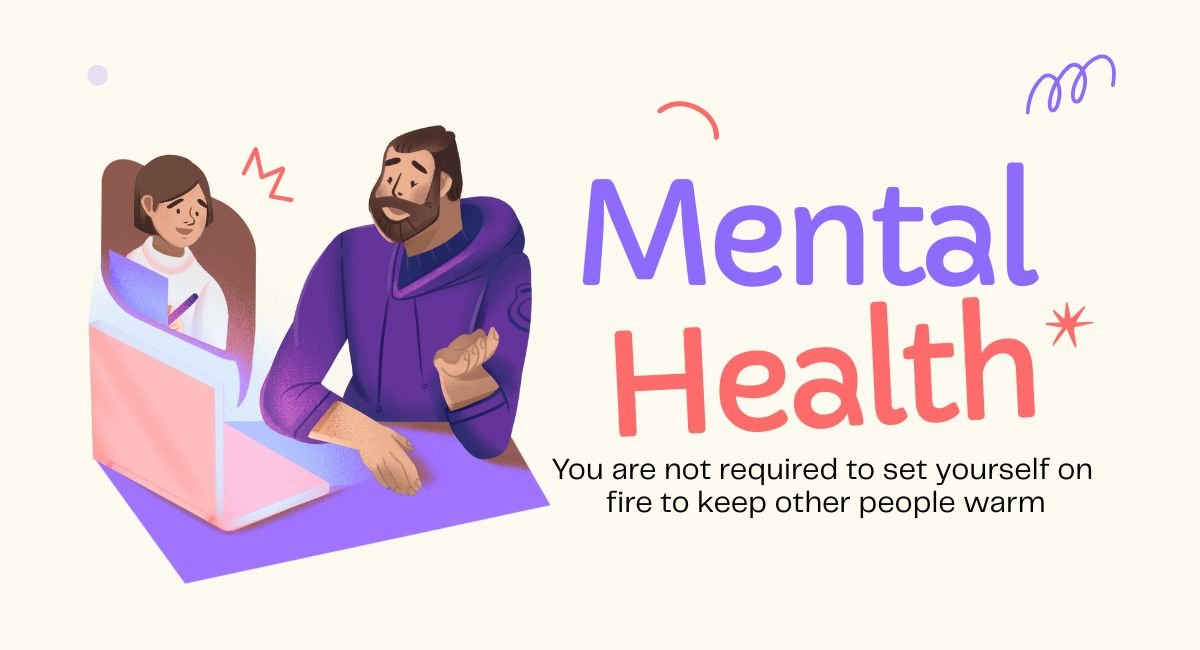
“You are not required to set yourself on fire to keep other people warm.”
“Self care mental health quotes remind us that meeting your needs isn’t selfish, it’s necessary.”
“Boundaries aren’t walls. They’re the gates and fences that allow you to enjoy the beauty of your own garden.”
“Saying no to others is saying yes to yourself.”
“Protecting your peace sometimes means disappointing people who’ve grown comfortable with your dysfunction.”
“Self-care is how you take your power back.” – Lalah Delia
“You can’t pour from an empty cup. Take care of yourself first.”
“Mental health self care means knowing when to engage and when to withdraw for your own preservation.”
“Boundaries are the distance at which I can love you and me simultaneously.”
“Setting healthy boundaries isn’t about building walls. It’s about building doors you control.”
“Sometimes the most caring thing you can do for others is take care of yourself.”
“Your mental health is more important than their comfort with your honesty.”
“Saying no without guilt is a superpower that protects your mental and emotional resources.”
The practice of boundary setting represents one of the most challenging yet transformative aspects of mental health recovery. Many people with anxiety or histories of trauma learned that others’ needs and feelings matter more than their own. This belief system creates chronic self-abandonment where you consistently sacrifice your wellbeing to avoid conflict or disappooint others. Over time, this pattern depletes emotional resources and breeds resentment. Learning to say no, to leave situations that harm you, and to prioritize your needs isn’t selfishness. It’s survival. Quotes that reframe boundaries as healthy self-preservation rather than meanness help people challenge internalized messages about needing to please everyone.
Self care in mental health contexts extends far beyond bubble baths and face masks, though those can certainly be components. True mental health self care involves difficult decisions like ending toxic relationships, leaving jobs that destroy your wellbeing, or choosing recovery activities over social obligations. It means recognizing that sometimes protecting your peace requires disappointing people who’ve benefited from your lack of boundaries. Many people discover that when they start implementing healthy boundaries, some relationships end or change dramatically. This loss, though painful, often makes space for more authentic connections with people who respect your needs. Incorporating quotes about emotional boundaries into daily reading helps reinforce that you deserve to be treated well, and that teaching others how to treat you requires clear communication about what you will and won’t accept.
Inspirational Quotes from Mental Health Advocates and Celebrities
“You don’t have to be positive all the time. It’s perfectly okay to feel sad, angry, annoyed, frustrated, scared, and anxious. Having feelings doesn’t make you a negative person. It makes you human.” – Lori Deschene
“Celebrity mental health quotes demonstrate that success and struggle coexist. Mental illness doesn’t discriminate.”
“I found that with depression, one of the most important things you can realize is that you’re not alone.” – Dwayne “The Rock” Johnson
“Selena Gomez on mental health: ‘You are not defined by an Instagram photo.'”
“Famous people mental health struggles remind us that wealth and fame don’t protect against psychological pain.”
“I went through a time where I was really depressed. Like, I locked myself in my room and my dad had to break my door down.” – Kendall Jenner
“Mental health advocate quotes from Lady Gaga: ‘I suffer from PTSD. It’s a mental illness that is a daily part of my life.'”
“There’s no shame in having to fight every day, but fighting every day, and presumably, if you’re still alive to hear these words or read this interview, then you are winning your war.” – Jared Padalecki
“Athletes mental health quotes from Michael Phelps: ‘It’s okay to not be okay. It’s okay to ask for help.'”
“Talking about our problems is our greatest addiction. Break the habit. Talk about your joys.” – Rita Schiano
“Actors depression quotes from Jim Carrey: ‘I think everybody should get rich and famous and do everything they ever dreamed of so they can see that it’s not the answer.'”
“Your mental health is everything. Prioritize it. Make the time like your life depends on it, because it does.” – Mel Robbins
“Author mental health quotes from Matt Haig: ‘You will feel better than this, maybe not yet, but soon. Hold on.'”
“There is no greater agony than bearing an untold story inside you.” – Maya Angelou
“Musician mental health struggles from Bruce Springsteen: ‘I’ve been dealing with depression all my life. You have your good days and bad days.'”
The impact of celebrities discussing their mental health journeys openly cannot be overstated in terms of reducing stigma and encouraging treatment seeking. When Dwayne “The Rock” Johnson, an icon of physical strength and success, reveals his battles with depression, it challenges the toxic masculinity message that real men don’t struggle emotionally. When Lady Gaga discusses her PTSD from sexual assault, she validates millions of trauma survivors who’ve been told to “get over it.” These public disclosures create cultural permission for everyday people to acknowledge their own struggles without shame.
Mental health influencers and advocates increasingly use their platforms to share not just recovery success stories but the messy, ongoing reality of living with mental health conditions. This authentic representation proves more helpful than polished narratives suggesting that treatment produces permanent cure. When someone shares that they’ve been in therapy for years and still have hard days, it sets realistic expectations about recovery being a journey rather than destination. Many people discover mental health advocacy accounts on social media and find communities of others navigating similar challenges, reducing the isolation that amplifies symptoms. The combination of professional treatment and peer support networks creates multiple layers of support that improve outcomes significantly compared to either alone.
How to Use Mental Health Quotes in Your Daily Healing Practice
Incorporating mental health quotes into your healing journey requires more than passive consumption. The transformation happens when you actively engage with messages that resonate and allow them to challenge unhelpful thought patterns. Start by creating a personal collection of quotes that speak to your specific struggles and circumstances. You might keep a notes app on your phone, a physical journal, or save Instagram posts that hit differently. The key is accessibility. During crisis moments when anxiety peaks or depression whispers that nothing matters, you won’t have energy to search for comfort. Having your curated collection immediately available makes the difference between utilizing a coping tool and spiraling without support.
Mental health journaling practices gain depth when combined with quote reflection. Choose one quote each morning or evening and spend five to ten minutes writing about why it resonates, what it brings up emotionally, and how its message applies to your current situation. This process of active engagement moves quotes from external platitudes into internalized beliefs. For example, if you’re working with “Progress not perfection,” you might journal about specific ways you’re measuring progress, perfectionistic standards you’re ready to release, and evidence that your incremental improvements matter. Over weeks and months, these journal entries create a record of your evolving relationship with key concepts, allowing you to see growth that feels invisible day-to-day.
Creating visual reminders places mental health affirmations in your daily environment where they work unconsciously. Set your phone’s lock screen to a quote about self compassion. Stick notes on your bathroom mirror with messages about worthiness. Create art incorporating meaningful phrases and hang it where you’ll see it regularly. This environmental design leverages the psychological principle that repeated exposure to messages gradually shapes belief systems. You might not fully believe “I am enough exactly as I am” the first hundred times you read it, but consistent exposure begins eroding the contrary beliefs depression and anxiety have built over years. Many people report that quotes they initially read without much impact suddenly click months later, the repetition having prepared their minds to finally receive the message.
Sharing mental health quotes thoughtfully with others extends your healing into community building. When you post a quote that helped you, you’re likely helping someone who needs that exact message. However, be mindful about toxic positivity versus genuine support. Before sharing, ask yourself whether this message validates struggle or minimizes it. Does it acknowledge that some days are just about surviving? Or does it suggest that positive thinking alone can cure mental illness? The most helpful shared quotes balance honesty about difficulty with realistic hope about possibility. Consider adding personal context when you share, explaining why the quote matters to you rather than just reposting without commentary. This vulnerability creates authentic connection that abstract quotes alone cannot achieve.
The Science Behind Mental Health Affirmations and Positive Language
The neuroscience of positive affirmations reveals fascinating mechanisms of how language literally rewires the brain. Research using functional MRI technology shows that when people engage with self compassion statements, the brain’s self-processing centers activate alongside reward pathways. This dual activation creates associations between self-concept and positive feeling states. Over time, repeated exposure to mental health affirmations strengthens neural connections that support healthier self-perception. This process, called neuroplasticity, means your brain physically changes structure based on repeated thought patterns and linguistic inputs.
Cognitive behavioral therapy principles explain why mental health quotes serve as effective interventions for depression and anxiety. CBT teaches that thoughts influence emotions which influence behaviors in interconnected cycles. When depression generates thoughts like “I’m worthless and nothing will improve,” those thoughts produce feelings of hopelessness which lead to behaviors like isolation and inactivity. Reading quotes that challenge these cognitive distortions interrupts the cycle. A quote stating “Your current situation is not your final destination” directly contradicts the permanence bias typical in depressive thinking. This contradiction creates cognitive dissonance that, with repetition, gradually weakens the power of distorted thoughts. Studies show that people who practice daily affirmations alongside traditional therapy show 30% faster improvement than those receiving therapy alone.
Conclusion
Mental health quotes represent far more than decorative words for social media posts. They function as survival tools, validation sources, and gentle guides along the difficult terrain of psychological healing. Throughout this comprehensive guide, we’ve explored over 150 quotes addressing everything from anxiety and depression to grief, recovery, and self compassion. Each quote serves a specific purpose in the larger context of mental wellness, whether that’s challenging stigma, normalizing therapy, or simply reminding you that surviving is succeeding when your brain tells you to give up.
The most important insight is that quotes complement but don’t replace professional treatment. If you’re experiencing suicidal thoughts, severe anxiety, or debilitating depression, please reach out to a mental health professional or crisis support. Therapy works. Medication helps when appropriate. Support groups create community. Quotes can support your healing journey by providing encouragement between therapy sessions and reminding you of truths your illness obscures. But they work best as part of a comprehensive approach that includes professional guidance, social support, and evidence-based treatments.
As you move forward, remember that mental health recovery doesn’t follow straight lines. Some days you’ll feel strong and hopeful. Other days you’ll barely survive. Both types of days are valid parts of the journey. Keep your favorite quotes accessible for moments when you need external reminders of your worth and resilience. Share quotes that helped you, creating ripples of hope for others swimming through similar darkness. Most importantly, be gentle with yourself. You’re navigating challenges that require immense courage, and the fact that you’re here, reading about healing, means you haven’t given up. That persistence, even when disguised as simply existing, is the foundation on which recovery builds.
Frequently Asked Questions
Can mental health quotes really help with depression or anxiety?
Yes, mental health quotes can genuinely help with depression and anxiety, though they work best as complementary tools rather than standalone treatments. The science behind this involves neuroplasticity and cognitive behavioral therapy principles. When you read uplifting mental health quotes that challenge your negative thought patterns, you’re creating cognitive dissonance that gradually weakens depressive and anxious thinking. Research shows that people who incorporate daily affirmations into their treatment plans often experience faster improvement than those relying solely on therapy. However, quotes are most effective when used alongside professional treatment like counseling or appropriate medication management. Think of quotes as emotional first aid that provides comfort and redirection during difficult moments between therapy sessions. They remind you of truths your illness obscures, like “This feeling is temporary” when anxiety convinces you that panic will last forever. For mild to moderate symptoms, inspirational mental health quotes combined with other self care practices can make meaningful differences. For severe mental health conditions, quotes should supplement rather than replace evidence-based professional interventions.
How do I use mental health quotes effectively in my recovery?
Using mental health quotes effectively requires active engagement rather than passive reading. Start by curating a personal collection of 10-20 quotes that deeply resonate with your specific struggles and goals. Save these in an easily accessible location like a phone notes app or small journal you carry with you. During mental health crisis moments or bad mental health days, read through your collection slowly, allowing each message to interrupt negative thought spirals. Many people find success with mental health journaling practices where they choose one quote daily and write about why it matters, what emotions it brings up, and how to apply its wisdom concretely. Create environmental reminders by setting quotes as phone wallpapers, writing them on sticky notes for your mirror, or creating art featuring meaningful phrases. This repetition works through neuroplasticity, gradually reshaping thought patterns through consistent exposure. Consider sharing quotes that helped you with others, as this reinforces the message for yourself while potentially helping someone else. Use quotes as therapy journal prompts, exploring deeper issues the quote raises. The key is consistency rather than intensity. Five minutes daily with intentional quote reflection produces better results than occasional random reading. Remember that effectiveness increases when quotes are part of comprehensive treatment including professional mental health support, social connection, and healthy lifestyle practices.
What should I do if mental health quotes aren’t enough?
If mental health quotes aren’t providing sufficient relief, that’s important information indicating you need additional support. Quotes work well for mild symptoms, difficult moments, or as supplements to other treatments, but they cannot address moderate to severe mental health conditions alone. When quotes stop helping or never helped much, it’s time to seek professional help. Start by contacting a therapist or counselor who can assess your symptoms and recommend appropriate interventions. Many people worry that asking for help means they’ve failed, but the opposite is true. Recognizing that you need more support demonstrates wisdom and strength. If cost concerns prevent accessing therapy, investigate sliding scale clinics, university training programs, or online therapy platforms that offer more affordable options. For crisis situations involving suicidal thoughts or immediate danger, contact crisis hotlines like 988 Suicide and Crisis Lifeline in the US or go to your nearest emergency room. Remember that mental health treatment often requires multiple approaches working together. Therapy provides skills and processing space. Medication can correct chemical imbalances when appropriate. Support groups offer community and shared experience. Lifestyle factors like sleep, exercise, and nutrition significantly impact symptoms. Quotes can remain part of your toolkit while you engage with these more intensive interventions. There’s no shame in needing professional treatment. Most mental health conditions require expert guidance just like physical illnesses do.
Are mental health quotes a replacement for therapy?
No, mental health quotes should never replace therapy or other professional treatment for mental health conditions. While quotes provide comfort, validation, and gentle redirection of thoughts, they cannot substitute for the comprehensive assessment, diagnosis, and evidence-based treatment that mental health professionals provide. Therapy offers personalized interventions tailored to your specific history, symptoms, and circumstances. A trained therapist helps you identify patterns, process trauma, develop coping skills, challenge cognitive distortions, and build the emotional tools necessary for lasting recovery. Therapy sessions create safe spaces to explore painful experiences and emotions that quotes alone cannot address. Additionally, some mental health conditions involve chemical imbalances that require medication management alongside talk therapy. Quotes might remind you that “Healing is possible,” but therapy teaches you how to actually heal. Think of the relationship this way: quotes are like bandages that provide temporary comfort and protection, while therapy is the surgical intervention that addresses underlying wounds. Many therapists actually encourage clients to bring meaningful quotes into sessions to explore why certain messages resonate and how to internalize their wisdom more deeply. The ideal approach combines professional mental health support with personal practices like quote reading, journaling, and self care. If you’re currently using quotes as your only mental health resource while experiencing significant symptoms, please consider reaching out to a counselor or psychiatric professional. Treatment works, and you deserve expert support for your healing journey.
How can I share mental health quotes without seeming preachy?
Sharing mental health quotes authentically requires vulnerability and context rather than just reposting inspirational text. The difference between helpful sharing and preachy platitudes lies in personal connection and acknowledging struggle honestly. When you share a quote, add brief commentary explaining why it matters to you right now. For example, instead of just posting “Be gentle with yourself,” you might say “Having a rough mental health day and this reminder is what I needed. Sharing in case someone else needs it too.” This approach validates that struggle exists while offering the quote as support rather than solution. Avoid sharing during others’ crisis moments unless they’ve specifically asked for encouragement. When someone discloses they’re struggling, responding with a quote can feel dismissive. Better to say “That sounds really hard. I’m here if you want to talk” and only share quotes if they express interest in that kind of support. Be mindful about toxic positivity versus genuine encouragement. Quotes like “Just think positive” or “Good vibes only” minimize real pain. Better options acknowledge difficulty while offering hope, like “Some days just surviving is the victory.” Consider your audience and relationship. Close friends might appreciate frequent quote sharing, while professional contacts probably don’t. Mix quote posts with other content so your entire presence isn’t just inspirational messages. Most importantly, live the messages you share. If you post about mental health awareness and ending stigma, also be someone who shows up supportively when friends struggle. Authenticity makes quotes land as genuine support rather than performative positivity.
What makes a mental health quote truly helpful vs. toxic positivity?
The distinction between helpful mental health quotes and toxic positivity centers on whether the message validates struggle or minimizes it. Toxic positivity insists on maintaining positive attitudes regardless of circumstances, essentially telling people their painful emotions are wrong or unacceptable. Phrases like “Just be grateful,” “Good vibes only,” or “Choose happiness” fall into this category because they suggest that if you’re not positive, you’re choosing to suffer. This approach is psychologically harmful because it adds shame on top of already difficult symptoms. In contrast, genuinely helpful quotes acknowledge reality while offering hope or perspective. For example, “It’s okay to not be okay” validates struggle without demanding immediate positivity. “Healing is not linear” prepares people for setbacks rather than suggesting recovery should be constantly upward. Helpful quotes often include words like “sometimes,” “today,” or “right now,” acknowledging that feelings and circumstances change rather than being permanent. They might say “You’re stronger than you know” rather than “Just be strong,” recognizing existing strength rather than demanding more. Realistic mental health quotes often come from people with lived experience who understand that depression doesn’t lift because someone tells you to smile, and anxiety doesn’t vanish with deep breathing alone. Look for quotes that make space for the full range of human emotion, including sadness, fear, and anger. Be suspicious of messages that suggest mental illness can be cured through attitude alone or that struggle indicates personal failure. The best quotes hold both truth about difficulty and possibility of improvement without toxic insistence that you must feel grateful for your pain or pretend everything is fine when it’s not.

Hi, I’m Taimoor Abid, founder of Vibe Blessings! I specialize in creating SEO-optimized inspirational content.